New academic research is drawing renewed attention to the chemical composition of polyethylene terephthalate (PET) bottles, both virgin and recycled. A recent study conducted in the United States suggests that PET beverage containers can release a range of additives and unintended chemical substances, raising questions about material design, recycling processes and regulatory oversight, at a time when recycled content requirements are expanding.
TABLE OF CONTENTS
Study Scope and Research Background
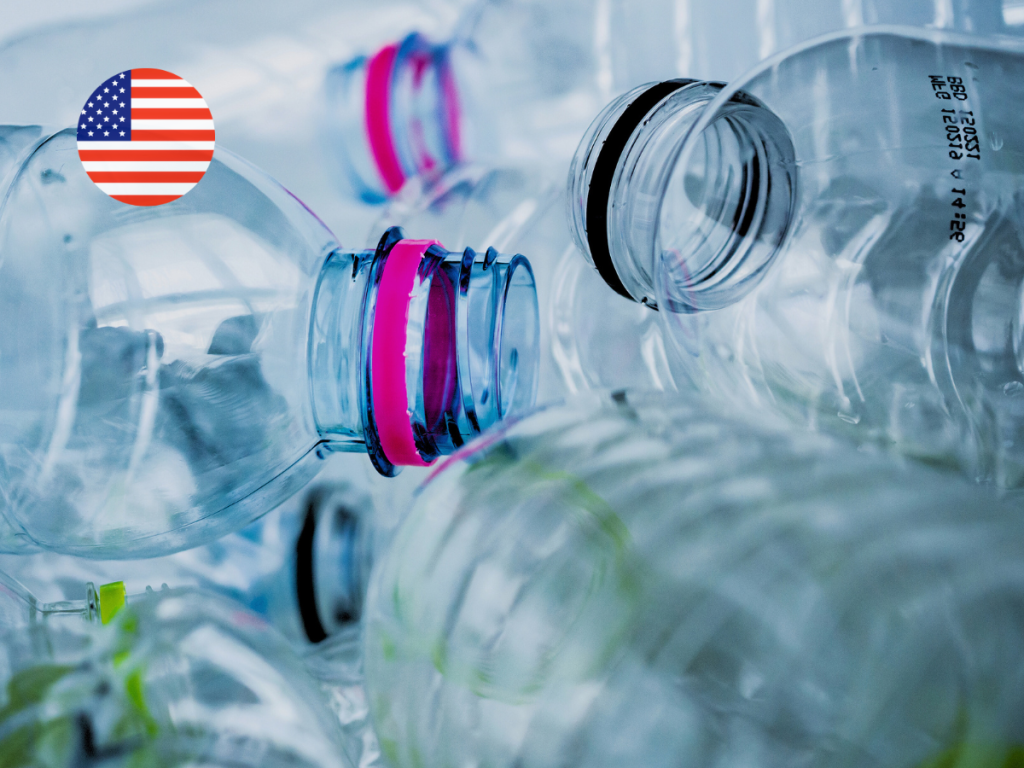
The study, published in late 2025, examined 26 consumer products, including water and soft drink bottles made from virgin PET and recycled PET (rPET). Samples were purchased in California and Michigan and analyzed by researchers from multiple academic and nonprofit institutions.
While limited in scale, the research adds to a growing body of literature investigating chemical migration from plastic materials into food and beverages.
Additives and Non-Intentionally Added Substances Identified
Across all samples, researchers detected approximately 30 chemical substances that were able to migrate from the plastic into water. These included plastic additives such as plasticizers and flame retardant-related compounds, as well as organophosphates commonly used to alter material flexibility.
In addition, solvent-based testing revealed a separate group of non-intentionally added substances. These chemicals are not deliberately used in PET formulation but can form as byproducts during polymer production or recycling. One such compound was found in the vast majority of samples tested, regardless of whether the bottle was made from virgin or recycled material.
Differences Between Virgin PET and rPET
The analysis found distinct patterns depending on whether bottles were produced from virgin resin or recycled content. Certain aromatic compounds appeared more frequently in recycled PET, while other substances were more commonly associated with virgin material.
Researchers suggested that some of the substances detected in rPET may originate from the recycling process itself, potentially through contamination from previous product uses or degradation during reprocessing.
Geographic Variability Raises Standardization Questions
The study also identified notable differences between bottles sourced in Michigan and those purchased in California. Some substances appeared at higher concentrations in one state compared with the other, suggesting that manufacturing practices, supply chains or resin sourcing may influence chemical profiles.
According to the researchers, these variations highlight the lack of harmonization in chemical use and material formulation across production sites, making it more difficult to predict the chemical makeup of finished packaging.
Regulatory Context and Industry Response
PET packaging used for food and beverages is subject to regulatory controls in both the United States and Europe, and authorities such as FDA and EFSA have repeatedly stated that consumer exposure from recycled plastics is expected to be very low.
Industry groups have emphasized that the presence of a substance does not automatically equate to health risk, pointing to established exposure thresholds and previous studies showing contaminant levels well below regulatory limits. At the same time, recyclers and brand owners acknowledge the importance of continued research and improved process controls to minimize unwanted contamination.
Implications for Packaging Design and Recycling
The findings arrive as legislation and voluntary commitments increasingly require higher levels of post-consumer recycled content in packaging. This trend places additional pressure on recycling systems that were not originally designed to handle today’s complex plastic formulations.
Environmental and recycling stakeholders argue that addressing chemical safety must begin upstream, at the material design stage, by reducing additive complexity and avoiding substances of concern wherever possible.
Conclusion
While the study does not claim to represent all PET bottles on the market, it reinforces an ongoing discussion within the packaging industry about chemical management, material transparency and the long-term sustainability of plastics recycling. As regulatory expectations evolve and recycled content targets rise, the ability to combine circularity with chemical safety will remain a central challenge for packaging.