Switzerland Tightens Regulations on Food Contact Plastics and Packaging Inks

Switzerland Tightens Regulations on Food Contact Plastics

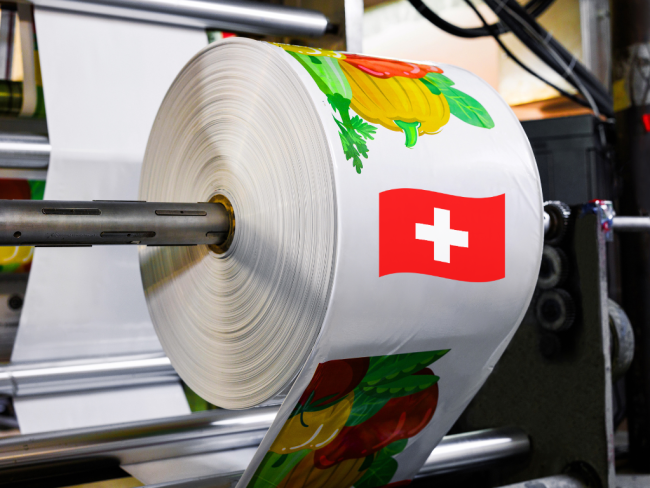
Switzerland has revised its regulations on food contact materials, specifically targeting plastics and packaging inks. These changes, published in Official Collection 2024 755, have come into force from January 1, 2025. The amendments focus on enhancing consumer safety by tightening restrictions on certain chemical substances used in the production of these materials.   Key Amendments…

bpa bps bisphenol a

EU Ban on Bisphenol A in Food Contact Materials

In December 19, 2024, the European Commission (EC) introduced Regulation (EU) 2024/3190, enforcing a strict ban on bisphenol A (BPA) and other hazardous bisphenols in food-contact materials. This measure aims to enhance consumer safety by eliminating harmful chemicals from products like plastics, coatings, adhesives, and printing inks.   The Ban This regulation enforces a broad…

The Environmental Impact of Plastic Alternatives

The Environmental Impact of Plastic Alternatives

A comprehensive study published in Environmental Science & Technology evaluates the greenhouse gas (GHG) emissions of plastic products versus their alternatives across 16 applications. These include key sectors such as packaging, construction, automotive, textiles, and consumer goods, which together account for 90 % of global plastic use. The findings reveal a counterintuitive reality: replacing plastics…

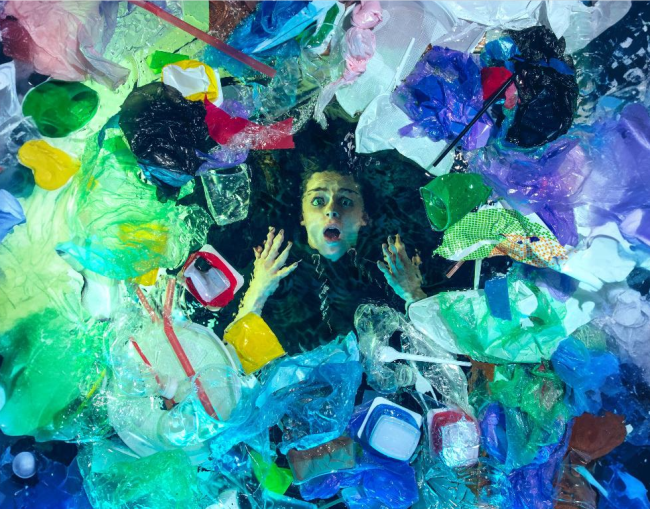
plastic waste for PPWR

PPWR Formally Adopted by The EU Council

On 16th of December, the EU Council formally adopted the Package and Packaging Waste Regulation (PPWR), aimed at reducing packaging waste and promoting sustainability. The rules set binding targets for re-use, restrict specific single-use packaging types, and require businesses to minimize packaging across its entire life cycle.   Safe, Sustainable, and Recyclable Packaging The regulation…

Advances in eco-friendly PET Alternatives

Advances in Eco-friendly PET Alternatives

Researchers at the Korea Advanced Institute of Science and Technology (KAIST) have achieved a breakthrough in developing eco-friendly alternatives to PET (polyethylene terephthalate) for packaging. By employing advanced metabolic engineering techniques, the team created a microbial strain capable of producing pseudoaromatic polyester monomers. These materials offer improved biodegradability and physical properties, presenting a promising solution…

plastic waste - Plastics Treaty Talks Halted, Set to Resume in 2025

Plastics Treaty Talks Halted, Set to Resume in 2025

The Global Plastics Treaty’s negotiations under the 5th session of the Intergovernmental Negotiating Committee (INC) have halted. While the session marked significant progress, unresolved issues indicate that further negotiations will be needed to create a comprehensive solution to the global plastic crisis.   Introduction to the UN Plastics Treaty The UN Plastics Treaty is an…

Global Policies Could Virtually Eliminate Plastic Pollution by 2040

Global Policies Could Virtually Eliminate Plastic Pollution by 2040

While plastic pollution poses a significant environmental challenge, a new OECD report suggests that comprehensive global policies can reduce plastic leakage into the environment by 96 %, by 2040. These policies address the entire lifecycle of plastics, including production, use, and disposal. This balanced approach not only improves waste management and recycling but also reduces…

Germany Regulations on Food Contact Materials: Key Updates for 2024 - Paper food packaging

Germany Regulations on Food Contact Materials: Key Updates for 2024

In August 2024, the German Federal Institute for Risk Assessment (BfR) announced significant updates to its recommendations for materials and articles that come into contact with food. These changes, which apply to silicones, paper and board, specialized baking papers, and temperature-resistant coatings, are already in effect. While all five revised guidelines introduce noteworthy updates, the…

Piggy bank and money - eu recycling industry

EU Plastics Recycling Industry Faces Economic Downturn

The European plastics recycling industry is faced with a significant recession. Challenges such as declining demand for European recyclates, reduced domestic investments, and an influx of imports with questionable recycled content claims, have placed immense strain on the sector. These pressures have driven many recycling companies to shut down in 2023, with more closures anticipated…

global recycling progress - trailer trucks with stack of containers

BIR: Trade Restrictions Jeopardize Global Recycling Progress

The Bureau for International Recycling (BIR), representing over 30,000 companies across 73 nations, has raised concerns about the adverse effects of restrictive trade policies on recycled materials. A recent position paper, approved by the World Council of Recycling Associations in Singapore, highlights how these trade barriers undermine the recycling industry’s potential to drive sustainable practices…

EFSA Re-evaluation of Silicon Dioxide (E 551) as a Food Additive for Infants

EFSA Re-evaluation of Silicon Dioxide (E 551) as a Food Additive for Infants

On October 17, 2024, the European Food Safety Authority (EFSA) published an updated scientific opinion on the safety of silicon dioxide (E 551) as a food additive. Commonly used as an anti-caking agent, E 551 prevents powdered foods from clumping together and is widely permitted in the EU for various food products, including those intended…