Skip to content
Pack-Lab
Αναλύσεις και Συμβουλευτική για τη Συσκευασία
Pack-LabPack-Lab
Linkedin page opens in new window
  • Homepage
  • Chemical analysis
  • Technical analysis
  • Packaging Consulting
    • Technical
    • Regulatory
    • Sustainability
  • Industries
    • Flexible Packaging Materials
    • Rigid Plastic Packaging
    • Plastic Granulates / Flakes
    • Paper & Corrugated Packaging
    • Metal Packaging
    • Miscellaneous Μaterials
    • Food Packaging
  • The company
    • Quality Assurance
  • News / Articles
  • Pack-Lab Academy
    • Workshop Categories
      • Beginner Workshops
        • Basic Knowledge on European Food Contact Legislation (FREE) | 19/2
        • European Compliance for Plastic Packaging | 26/2
        • Overall Migration Analysis (Live) | 4/3
        • Specific Migration Analysis (Live) | 18/3
        • Declaration of Compliance (DoC) for Plastic Materials | 30/3
        • Paper Packaging Compliance in Greece, France & Italy | 16/4
        • REACH Regulation for Packaging Materials | 28/4
      • Expert Workshops
        • Food Contact Compliance & Recyclability | 5/5
        • Recent & Future Trends in EU Legislation | 20/5
        • Inks, Lacquers & Adhesives in Food Packaging | 28/5
        • Plastic Food Contact Legislation in USA & UK | 3/6
        • Global Plastic Food Contact Legislation (Mercosur, China, Japan) | 9/6
        • Packaging And Packaging Waste Regulation (PPWR) | 18/6
        • NIAS Assessment | 30/6
    • Academy Pricing
  • White Papers
  • Contact Us
  • Greek
  • English
Search:
search
  • Homepage
  • Chemical analysis
  • Technical analysis
  • Packaging Consulting
    • Technical
    • Regulatory
    • Sustainability
  • Industries
    • Flexible Packaging Materials
    • Rigid Plastic Packaging
    • Plastic Granulates / Flakes
    • Paper & Corrugated Packaging
    • Metal Packaging
    • Miscellaneous Μaterials
    • Food Packaging
  • The company
    • Quality Assurance
  • News / Articles
  • Pack-Lab Academy
    • Workshop Categories
      • Beginner Workshops
        • Basic Knowledge on European Food Contact Legislation (FREE) | 19/2
        • European Compliance for Plastic Packaging | 26/2
        • Overall Migration Analysis (Live) | 4/3
        • Specific Migration Analysis (Live) | 18/3
        • Declaration of Compliance (DoC) for Plastic Materials | 30/3
        • Paper Packaging Compliance in Greece, France & Italy | 16/4
        • REACH Regulation for Packaging Materials | 28/4
      • Expert Workshops
        • Food Contact Compliance & Recyclability | 5/5
        • Recent & Future Trends in EU Legislation | 20/5
        • Inks, Lacquers & Adhesives in Food Packaging | 28/5
        • Plastic Food Contact Legislation in USA & UK | 3/6
        • Global Plastic Food Contact Legislation (Mercosur, China, Japan) | 9/6
        • Packaging And Packaging Waste Regulation (PPWR) | 18/6
        • NIAS Assessment | 30/6
    • Academy Pricing
  • White Papers
  • Contact Us
  • Greek
  • English

Author Archives: Stella Ioannidou

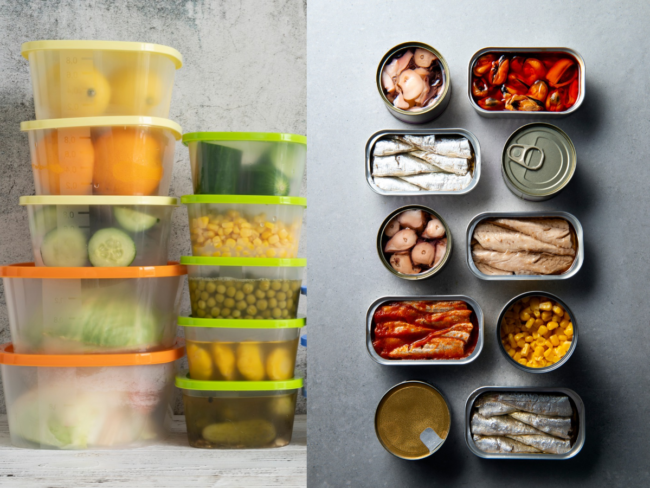
Plastic food storage containers and open metal food cans, food contact materials covered by EFSA guidance on bisphenols

EFSA Sets Data Requirements for Bisphenols Other Than BPA in Food Contact Materials

All News, Regulations & PolicyBy Stella Ioannidou11/11/2026

EFSA has published guidance on the data needed to assess the safety of bisphenols other than BPA in food contact materials, following Regulation (EU) 2024/3190, with extended toxicological requirements even at the lowest migration level.

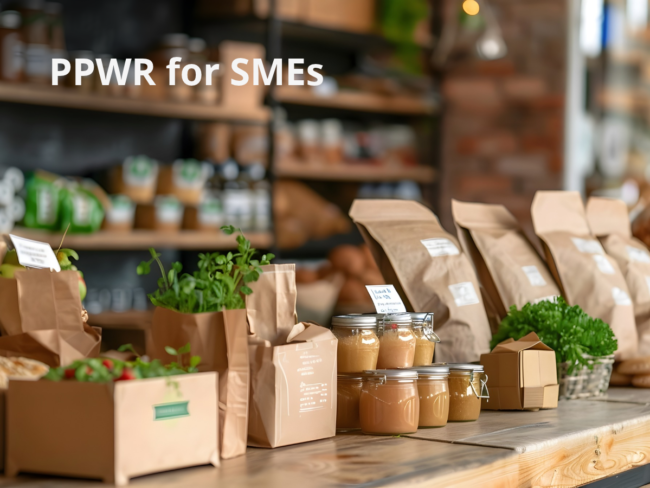
Small shop counter with paper bags, jars and cardboard packaging, with the text “PPWR for SMEs”, illustrating the Commission’s guide on the PPWR for small businesses

PPWR and Small Businesses: What the Commission’s New Guide Clarifies

All News, Regulations & PolicyBy Stella Ioannidou27/10/2026

The European Commission has published a guide for small businesses on the PPWR. It sets out the obligations that apply today, how to identify the manufacturer, importer and producer roles, and the exemptions for micro-enterprises.

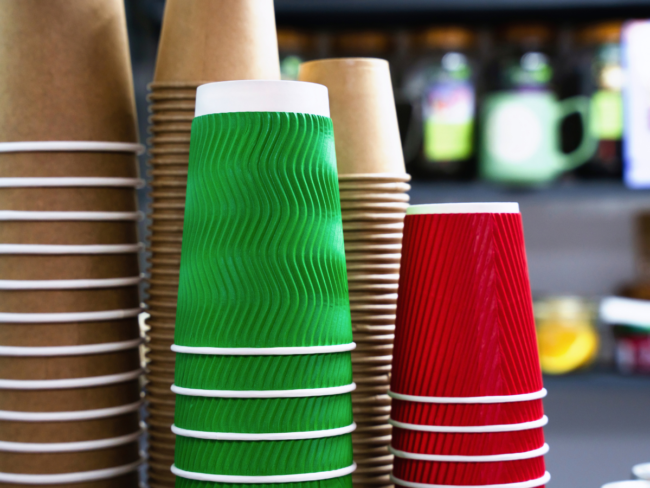
Stacked single-use paper cups in a café, illustrating the PLA-lined cups found to release 12 times more microplastics than PE-lined cups

PLA-Lined Cups Release 12 Times More Microplastics Than Conventional PE, University of Queensland Study Finds

All News, Industry Trends & ReportsBy Stella Ioannidou28/09/2026

A peer-reviewed study found that biodegradable PLA-lined cups release approximately 12 times more micro- and nanoplastic particles than conventional PE-lined cups when exposed to hot water, raising questions about material substitution decisions in food contact packaging.

Multicolored cargo shipping containers stacked around a digital globe on a blue background, representing global plastic packaging trade and international food contact compliance.

Exports and Plastic Packaging: Why EU Compliance Is Not Enough for the US, Japan and China

All Articles, Deep DivesBy Stella Ioannidou23/09/2026

European food producers and packaging manufacturers face a major problem: compliance with EU Regulation 10/2011 or the PPWR does not transfer to the US, Japan or China, where divergent positive lists, extraction tests and migration limits require separate regulatory assessment.

Single-use HoReCa sugar sachets and hospitality cosmetics compliant with Italy compostable packaging decree and EN 13432

Italy Mandates Compostable Packaging for Food Service and Fresh Produce Under PPWR Flexibility

National/Regional Packaging Legislation, Regulations & PolicyBy Stella Ioannidou14/09/2026

Italy has become the first EU Member State to exercise the PPWR’s Article 9(2)(b) flexibility, mandating compostability instead of recyclability for specific single-use plastic packaging in fresh produce and HoReCa.

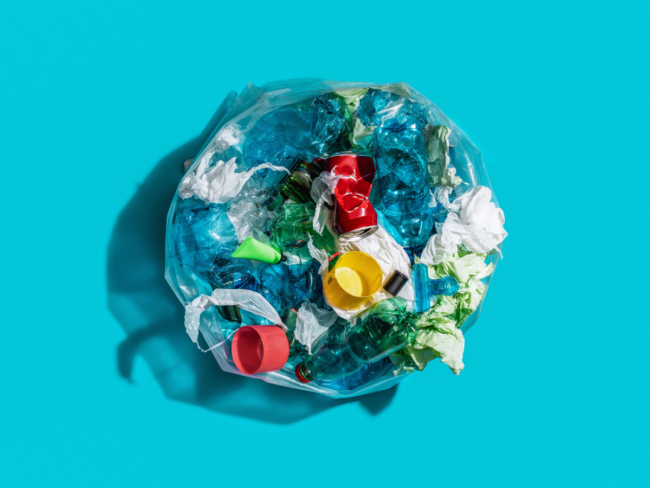
Plastic packaging waste collected in a bag, representing the PPWR recycled content rules that the European Commission is developing through three calls for evidence.

European Commission Opens Call for Evidence on PPWR Recycled Content Rules

All News, Regulations & PolicyBy Stella Ioannidou31/08/2026

The European Commission has launched three parallel calls for evidence to develop the secondary legislation defining how PPWR recycled content targets for plastic packaging are calculated, verified and enforced. The feedback period runs until 16 September 2026.

Molded fiber packaging tray with a plant sprig next to the EU flag, illustrating the nova-Institute study on the role of bio-based plastics under the PPWR.

nova-Institute Sets Out the Scientific Case for Bio-Based Plastics Under the PPWR

Industry Trends & Reports, Regulations & PolicyBy Stella Ioannidou22/07/2026

A nova-Institute study for the European Commission examines the role of bio-based feedstocks in plastic packaging under the PPWR, arguing that bio-based and recycled carbon are complementary routes to reducing fossil carbon.

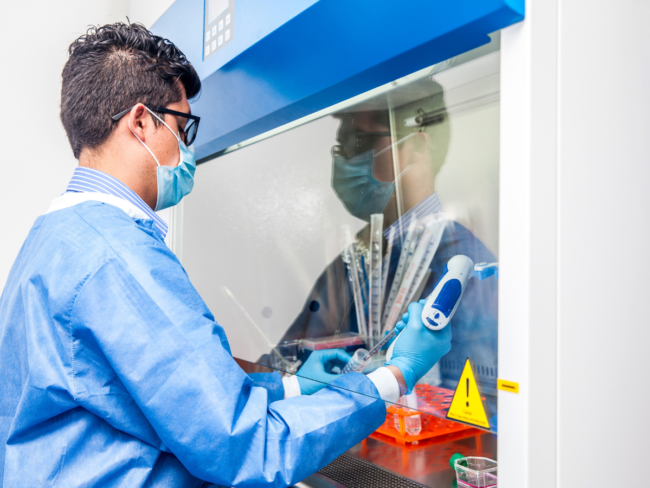
A researcher working in a laboratory safety cabinet, illustrating the NTU Singapore research behind the DIPS solvent-free method for mixed plastic packaging recycling.

A Solvent-Free Approach to Mixed PET/PP Plastic Packaging Recycling: NTU Singapore’s DIPS Method

New TechnologiesBy Stella Ioannidou22/06/2026

Researchers at NTU Singapore have developed a method for recycling mixed plastic packaging without the use of chemical solvents.The technique, called depolymerization-induced polymer separation, breaks down one plastic component in a mixed plastic structure while leaving others intact.

Stacked plastic food containers next to a paper bag with a US flag icon, illustrating the No Toxics in Food Packaging Act targeting PFAS, phthalates and BPA in food contact materials.

No Toxics in Food Packaging Act: US Bill Targets PFAS, Phthalates and BPA in Food Contact Materials

National/Regional Packaging LegislationBy Stella Ioannidou17/06/2026

On 9 June 2026, US Congress introduced the No Toxics in Food Packaging Act, proposing to ban PFAS, ortho-phthalates, bisphenols, styrene polymers and antimony trioxide from all food contact materials.

Consumer returning a reusable cup to a TOMRA automated return machine inside a busy German train station.

Automated Cup Return Machines Installed in Germany by TOMRA

Deposit Return & Waste Management SchemesBy Stella Ioannidou01/06/2026

TOMRA Reuse installs Germany’s first automated cup return machines in Freiburg, showing how smart infrastructure can seamlessly scale RECUP networks and help brands meet impending PPWR reuse targets.

People returning plastic bottles at a reverse vending machine, illustrating how the UK DRS will work when it launches in October 2027.

UK DRS: 20p Deposit Rate Confirmed for All Containers

Deposit Return & Waste Management SchemesBy Stella Ioannidou11/05/2026

The UK has confirmed a flat 20p deposit for all in-scope drink containers ahead of the October 2027 launch of its Deposit Return Scheme. The decision simplifies implementation for producers and retailers, with the return handling fee still to be finalised.

Fresh fruit and vegetable packaging utilizing biodegradable films, shown as a practical application of Chemical Migration Analysis findings for PBS and PLA blends.

Chemical Migration Analysis of PBS and PLA Biodegradable Food Contact Films

Industry Trends & ReportsBy Stella Ioannidou29/04/2026

Biodegradability and food safety are distinct, but compliance is feasible through precise engineering. A 2026 study on PBS/PLA blends reveals how optimizing material formulation and processing can ensure compliance with regulatory standards.

→1234→
Copyright © 2026 Pack-Lab L.P.. All Rights Reserved.
Go to Top