The UK’s Deposit Return Scheme (DRS), scheduled to launch across all four nations in October 2027, reached two significant milestones in August 2026. One of them resolved a major outstanding question, while the other highlighted the challenges still facing the scheme.
TABLE OF CONTENTS
On 20 August, the Welsh Government confirmed the appointment of Exchange for Change as the Deposit Management Organization (DMO) for Wales. The decision means the same administrator will now manage the DRS across England, Scotland, Northern Ireland and Wales, ending months of uncertainty after the previous Welsh Government had rejected Exchange for Change’s application earlier in 2026.
The day before, the Society of Independent Brewers and Associates (SIBA), representing around 700 small independent breweries, called on ministers to delay the scheme by at least one year, warning that producers, particularly the smaller ones, need 18 to 24 months from when meaningful operational decisions are made to prepare for implementation.
The Wales Question: Glass, Timelines and Interoperability
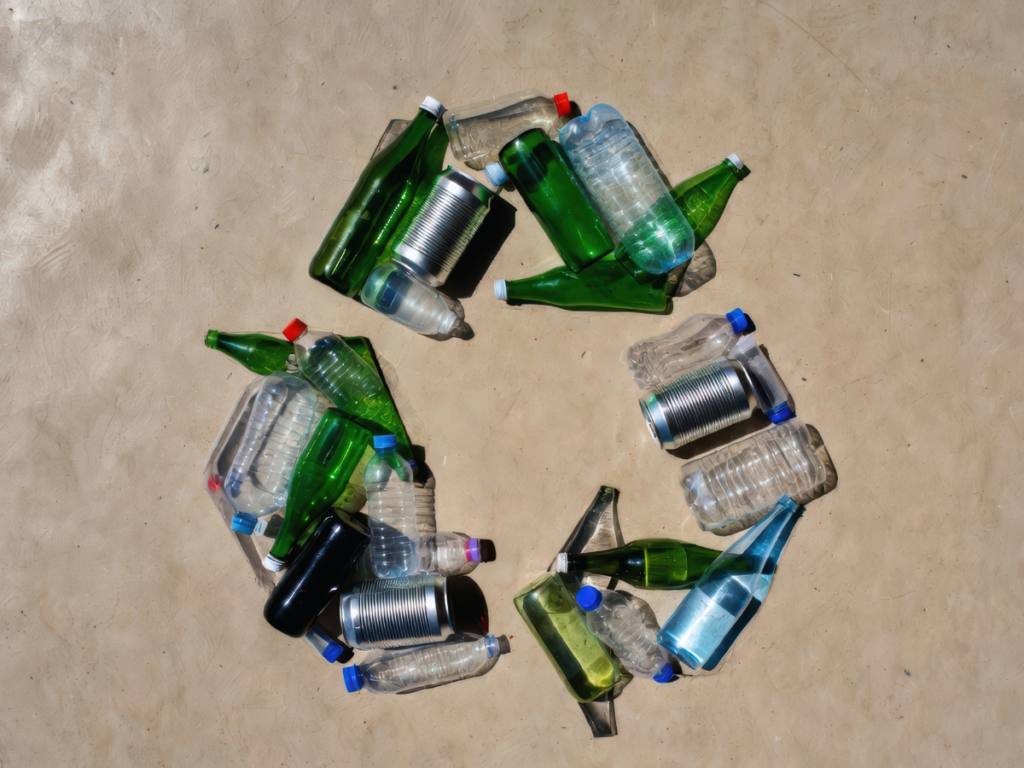
Wales’s DRS differs from the schemes in England, Scotland and Northern Ireland in one critical respect: it will include glass containers from day one. The rest of the UK is launching with PET plastic and metal cans only.
To manage the challenges this creates, the Welsh Government has introduced a four-year transition period for glass. During this period, glass containers will carry a zero-pence deposit and will be exempt from DRS labelling requirements. At the end of the transition, Wales intends to apply the full deposit to glass and to phase in reuse as part of the scheme.
According to Talking Retail, industry reactions were broadly supportive of the unified administrator but cautious about the unresolved operational details, particularly around the zero-deposit transition for glass and its interaction with EPR.
Brewers’ Concerns: Readiness and Cross-Border Complexity
SIBA’s call for a delay is grounded in practical readiness concerns. In a letter to ministers, the organization argued that the October 2027 launch date leaves insufficient preparation time for small producers, particularly given that key details, including labelling specifications and return logistics, remain unresolved.
The independent brewing sector’s concerns are not new. SIBA has drawn comparisons with Scotland’s failed DRS attempt in 2023, which collapsed partly because Scotland tried to implement a scheme with a different scope and timetable from the rest of the UK. The organization argues that Wales’s inclusion of glass creates a similar risk of fragmentation, with small breweries potentially facing different compliance requirements depending on which UK nation their products are sold in.
Another concern is the possibility of double taxation in Wales, where breweries could face both EPR fees and DRS producer fees for glass containers. Without clarity on how the two systems will interact, producers cannot accurately forecast their compliance costs.
Nevertheless, Exchange for Change has insisted the October 2027 launch remains on track.
What Comes Next
The most recent development, reported on September 3rd, is that Exchange for Change has set producer fees at zero for the first 15 months of the scheme’s operation. The 20p deposit was confirmed in April, the Return Handling Fee was set in June alongside £ 60 million in grants for small retailers to install reverse vending machines and exemption criteria for smaller shops were widened. However, Exchange for Change has not yet published guidance on how fees will apply specifically to drinks sold in Wales, where the inclusion of glass adds complexity that the rest of the UK does not face.
For packaging producers and drinks manufacturers operating across the UK, the priority is to monitor operational guidance as it is published, understand how the Welsh glass transition interacts with EPR obligations, and assess the administrative and financial impact of a scheme that now has a unified administrator but not a unified scope.