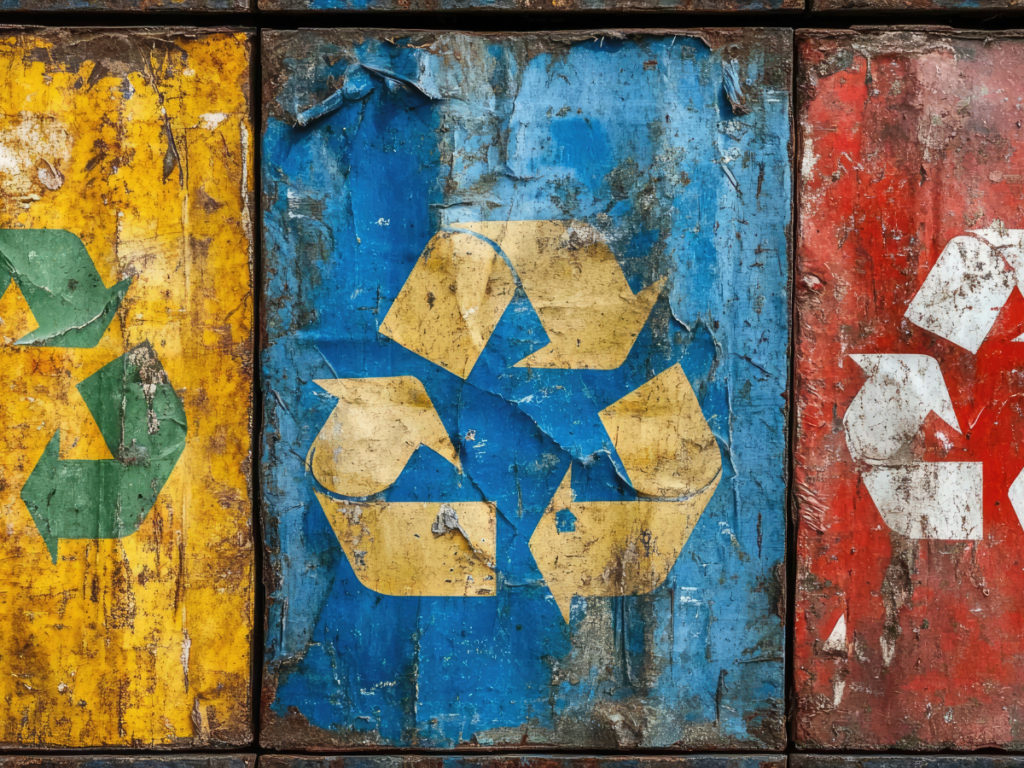
The global packaging industry has long used the chasing arrows symbol as a universal shorthand for recyclability. However, starting in late 2026, California will implement a strict regulatory framework that fundamentally changes how this symbol can be used. Senate Bill 343 (SB 343), often referred to as the “Truth in Labeling” law, is designed to eliminate deceptive environmental claims by ensuring that any product labeled as recyclable is actually being recycled in practice, rather than just in theory.
TABLE OF CONTENTS
For companies distributing goods in the United States, this legislation represents a shift from voluntary marketing standards to rigorous, data-backed legal requirements. Compliance is no longer about the technical capability of a material to be recycled, but rather the actual infrastructure and success rates of recycling programs within the state of California.
The 60 % Threshold: Defining “Recyclable” in California
The core of SB 343 is a set of stringent criteria that a product or package must meet before it can legally bear a recyclability symbol or statement. Under the new law, a claim is considered deceptive or misleading unless it satisfies specific benchmarks regarding collection, sorting and processing.
More specifically, unless it is collected by programs serving at least 60% of California’s population, can be sorted by large-volume facilities into defined recycling streams, is sent to compliant reclaimers under the Basel Convention and does not contain inks, adhesives or PFAS above 100 ppm that would compromise recyclability.
Key Compliance Timelines
Manufacturers must adhere to a specific schedule to avoid penalties. The law emphasizes the date of manufacture rather than the date of sale, which provides some relief for existing inventory already in the supply chain.
- April 4, 2025: CalRecycle published the first Material Characterization Study, which identifies which materials currently meet the 60 % threshold. This report is the primary reference for businesses evaluating their current labels.
- October 4, 2026: This is the critical enforcement date. All products and packaging manufactured on or after this date must comply with SB 343. Items produced before this cutoff are exempt from the new labeling restrictions.
- Future Updates: CalRecycle will update the material characterization study every five years starting in 2027. Following each update, manufacturers will have an 18-month window to adjust their labels to reflect any changes in the recycling landscape.
Enforcement and Financial Risks
Violating SB 343 is not merely a marketing error. It carries significant legal and financial consequences. Enforcement authority is distributed among local district attorneys, city attorneys and the California Attorney General. Penalties vary depending on the specific code violated:
- Certain violations are punishable by up to six months in prison or fines of $2,500.
- Fines for deceptive claims can reach $2,000 per violation for repeat offenders.
- The law integrates with California’s Unfair Competition Law, allowing for private parties to seek civil penalties. This opens the door for significant litigation from consumer advocacy groups and “bounty hunter” litigants.
SB 343 vs. SB 54: Distinguishing the Two Laws
SB 343 is strictly a labeling and consumer protection law, while SB 54 (The Plastic Pollution Prevention and Packaging Producer Responsibility Act) is an Extended Producer Responsibility law focused on funding recycling infrastructure. The two are linked: SB 54 uses SB 343’s standards to determine which materials are deemed recyclable by 2032, meaning producers must navigate both laws simultaneously.
Ongoing Legal Challenges
In March 2026, a coalition of 18 trade associations filed a federal lawsuit seeking an injunction against the law. The plaintiffs argue that the law violates the First Amendment by restricting truthful commercial speech and that it is unconstitutionally vague under the Fourteenth Amendment. As of May 2026, the industry is closely monitoring this litigation, as a court-ordered stay could delay enforcement.
Recommendations for Producers
To prepare for the October 2026 deadline, businesses should adopt a proactive compliance strategy that goes beyond simple label changes.
- Conduct a Label Audit: Review every SKU to identify the use of chasing arrows or statements like “Please Recycle.” Compare these against CalRecycle’s published list of compliant materials.
- Verify Chemical Composition: Ensure that no packaging contains intentionally added PFAS above the 100 ppm threshold, as this automatically disqualifies a product from making a recyclability claim.
- Document the Supply Chain: Maintain detailed records of manufacturing dates and the evidence used to justify any remaining recyclability symbols.
- Update Vendor Contracts: Review agreements with packaging suppliers to ensure they are responsible for providing materials that meet California’s DfR standards and provide indemnification in the event of labeling violations.
Conclusion
California’s SB 343 represents a fundamental shift in environmental transparency. By tying the use of the chasing arrows symbol to real-world recycling data rather than material potential, the state is forcing the industry to reconcile its marketing with the actual capabilities of waste management systems. Companies that fail to adapt by the October 2026 deadline face not only heavy fines but also a potential exclusion from the California market.