The UK government’s newly confirmed base fees for Extended Producer Responsibility (EPR) have been welcomed by some packaging sectors but continue to draw concern from the glass packaging industry. The Foodservice Packaging Association (FPA) and the Food and Drink Federation (FDF) say the finalized fees give businesses much-needed certainty on the costs they will face in the scheme’s first year. However, glass manufacturers argue that the fee structure remains unbalanced and risks harming domestic production.
TABLE OF CONTENTS
Fee Reductions Across Most Materials
Updated figures show that most packaging materials will see lower base fees compared to the last estimates. Aluminium packaging will see the biggest drop, with a 39 % reduction, bringing its fee to £ 266 per tonne. Other materials like plastic, steel, wood, paper and card have also seen moderate cuts ranging from 8 % to 15 %.
Only fibre-based composites stand out, with a slight 1% increase. This creates a wider gap between the costs for fibre composites and similar materials like paper and carboard, adding £ 25 more per tonne to the difference and making the total gap £ 265 per tonne.
Overall, the average cost across all packaging types has fallen by 15 % from previous illustrations, settling at £ 292 per tonne. The FPA pointed out that these adjustments will help manufacturers plan better and prepare for the costs of the EPR rollout.
Glass Packaging Sees Relief, But Concerns Linger
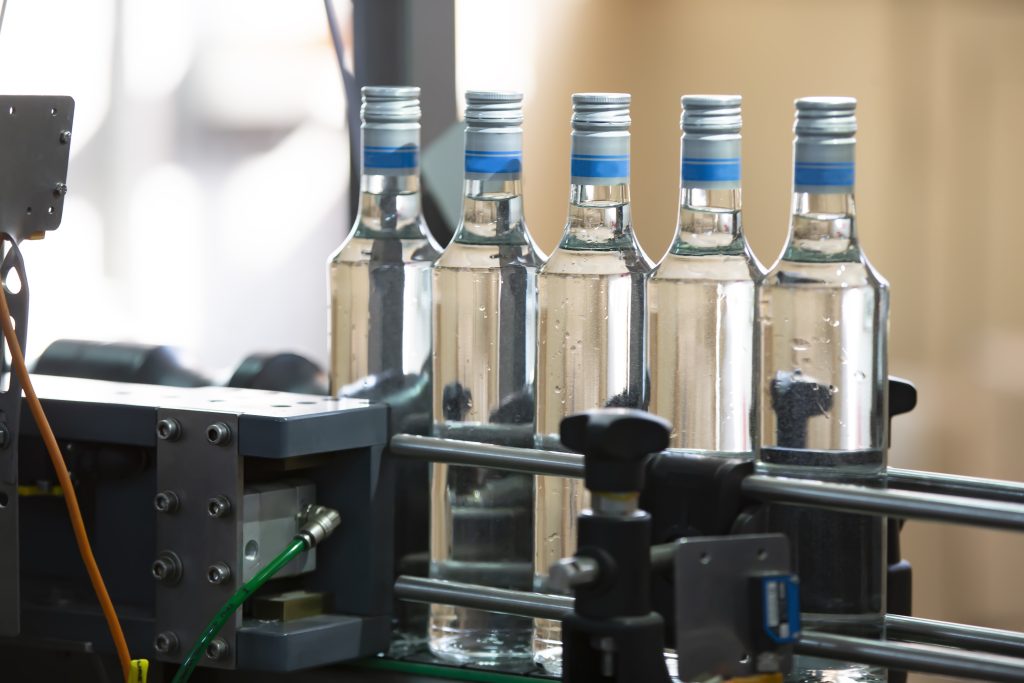
For the glass sector, the changes offer some relief but not enough to resolve deeper worries. The fee for glass has been reduced by 20 % to £ 192 per tonne. This equates to about 3.8 pence for a small beer bottle and 3.6 pence for a jam jar. Yet organizations representing glass manufacturers believe the weight-based system continues to place glass at a disadvantage.
Companies like O-I Glass, Encirc, and the industry body British Glass have all highlighted that, despite the fee cut, glass packaging still shoulders a significant share of the total EPR costs, despite making up a small portion of the overall packaging volume collected. The fear is that this imbalance could push producers to switch to lighter, less sustainable materials like plastic to lower costs, undermining in this way wider sustainability goals.
Next Steps for EPR Implementation
While the packaging industry welcomes more details on base fees, the FDF emphasizes that the broader goals of EPR must be met. With annual costs expected to reach £ 1.4 billion, the federation says it is crucial that the money collected genuinely boosts recycling rates and supports the move towards a circular economy.
There are early signs of progress, with measures being outlined to ensure that local councils spend EPR revenue only on packaging waste recycling. The industry is now waiting to see how these rules will be enforced across the UK, including Scotland and Wales.
You can find more information on EPR base fees here.
Conclusion
The updated EPR fees give manufacturers more clarity as they prepare for the next phase of the scheme. While organizations like the FPA and FDF see this as a positive step, the UK glass sector remains frustrated by a structure they see as tilted against them. Balancing financial fairness with sustainability will be key if the EPR is to succeed in driving real progress towards a circular packaging system.