Practical Guide for EU Packaging Rules

EUROPEN Launches Practical Guide for EU Packaging Rules

EUROPEN has introduced a new digital guide to support companies in understanding and complying with the European Union’s Packaging and Packaging Waste Regulation (PPWR). This tool is designed to simplify a complex legal framework and offer clarity to stakeholders across the packaging supply chain.   Clear Overview and Practical Tools The guide delivers a streamlined…

what the packaging industry might look like in 2034 - fururistic packaging concept

What the Packaging Industry Might Look Like in 2034

A new report from researchers at Leeds Beckett University explores what the packaging industry could become by 2034, outlining a roadmap shaped by sustainability, collaboration, and resilience. Drawing on insights from top leaders in the fast-moving consumer goods (FMCG) sector, the study emphasizes the importance of long-term, systemic change rather than fragmented, short-term solutions.  …

Global Mechanical Recycling 50 Million Tonnes Annually by 2050

Global Mechanical Recycling: 50 Million Tonnes Annually by 2050

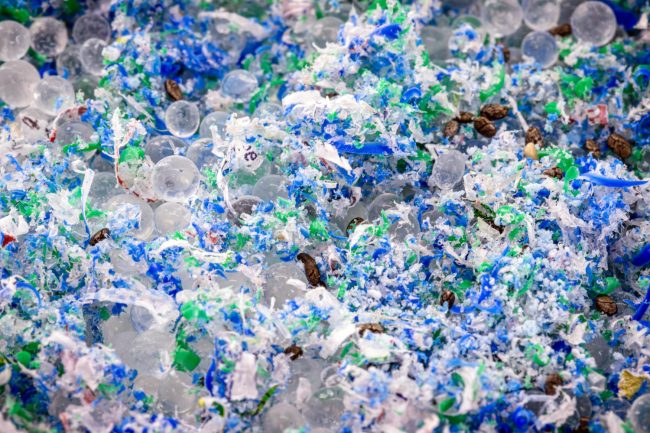
A recent industry whitepaper by ICIS (Independent Commodity Intelligence Services), projects that global mechanical recycling could reach over 50 million tonnes annually by 2050. This marks a doubling of current recycling rates in regions such as Europe, North America, and North Asia, where mechanical recycling made up just 8% of demand in 2024. The analysis…

Stalled-Momentum-in-Rigid-Polyolefins-Recycling-Across-Europe

Stalled Momentum in Rigid Polyolefins Recycling Across Europe

The once-promising expansion of rigid polyolefin recycling in Europe has reached an impasse, according to a recent joint analysis by Plastics Recyclers Europe (PRE) and ICIS. After years of steady growth, recycling capacities for high-density polyethylene (HDPE) and polypropylene (PP) plateaued in 2023, revealing a significant slowdown in progress within the European recycling sector.  …

Industrial factory chimney releasing pollution at sunset - Toxic Pollution Around Waste Incinerators in Europe

Studies Reveal Toxic Pollution Around Waste Incinerators in Europe

In a new publication by Zero Waste Europe, recent research from the ToxicoWatch Foundation has linked waste incinerators in Europe to serious environmental contamination from PFAS and other toxins in parts of Spain, France, and the Netherlands.   Toxic Chemicals Found Near Waste-to-Energy Plants The studies, conducted around Waste-to-Energy (WtE) facilities in Zubieta (Spain), Harlingen…

Large paper rolls being transported on a conveyor belt inside a paper mill, showcasing modern industrial manufacturing processes

Growth and Challenges in Europe’s Pulp and Paper Industry

The European pulp and paper industry is rebounding, with both consumption and production rising in the past year. Recycling and packaging demand have driven growth, while exports remain strong. However, energy costs, economic stagnation, and shifting trade policies pose challenges.   Recovery in Consumption and Production According to a recent industry report by the European…

consumer demand for reusables concept

Growing Consumer Demand for Reusables in UK

Recent research from GoUnpackaged highlights a significant shift in consumer attitude towards single-use plastic. A majority of shoppers in the UK want retailers to offer more reuse and refill options, with many customers even prioritizing shopping at supermarkets that implement such systems, signaling that sustainability is becoming a crucial factor in retail competitiveness.   Research…

Report Highlights EU Record in Aluminium Cans Recycling

Report Highlights EU Record in Aluminium Cans Recycling

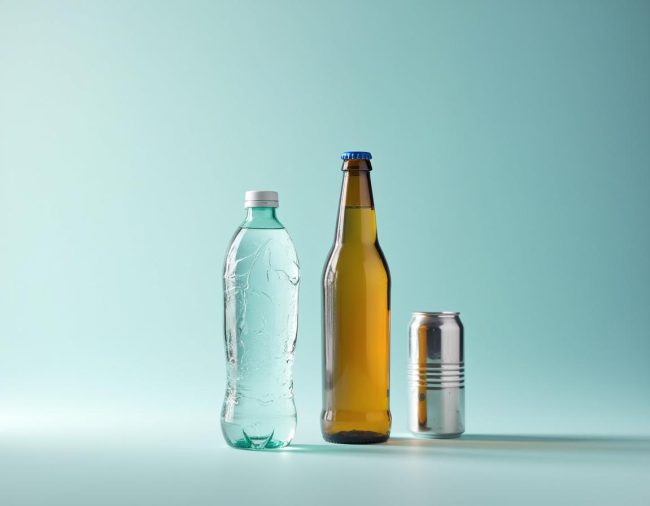
A recent report from Metal Packaging Europe and European Aluminium highlights a record-breaking achievement in aluminium beverage can recycling across Europe. Despite a minor decline in the overall recycling rate of aluminium beverage cans due to increased consumption and unchanged recycling infrastructure, the total volume of recycled aluminium reached an unprecedented 580,000 tonnes. This marks…

The Growing Challenge of Sustainable Packaging Data Compliance - data collection depiction

The Growing Challenge of Sustainable Packaging Data Compliance

Sustainability in packaging has become a central issue for businesses worldwide, yet many companies are struggling to meet the data requirements necessary for compliance. A global survey conducted by packaging consultancy Aura highlights a significant gap in how businesses track their sustainable packaging data, with many still relying on outdated manual methods. As regulatory frameworks…

The Cost of Cleaning PFAS in Europe: A €2 Trillion Challenge

A recent investigation by the Forever Lobbying Project has revealed that addressing per- and polyfluoroalkyl substances (PFAS) contamination across Europe could cost over € 2 trillion over the next two decades. This equates to an annual expense of approximately € 100 billion, highlighting the immense financial strain required to tackle the widespread pollution caused by…

hands holding packaging -Recyclability Assessment Framework in the UK, Defra recycling guidelines

Defra Introduces New Recyclability Assessment Framework to Enhance Packaging Sustainability

The Department for Environment, Food & Rural Affairs (Defra) of the UK has recently introduced a framework to evaluate and categorize the recyclability of various packaging materials, under the Packaging Extended Producer Responsibility (pEPR) initiative. This system aims to help businesses understand how their packaging impacts recycling processes and associated costs.   Recyclability Assessment Framework…

The Environmental Impact of Plastic Alternatives

The Environmental Impact of Plastic Alternatives

A comprehensive study published in Environmental Science & Technology evaluates the greenhouse gas (GHG) emissions of plastic products versus their alternatives across 16 applications. These include key sectors such as packaging, construction, automotive, textiles, and consumer goods, which together account for 90 % of global plastic use. The findings reveal a counterintuitive reality: replacing plastics…