gpap

GPAP Expands to 25 Nations in Global Plastic Battle

The Global Plastic Action Partnership (GPAP) has reached a significant milestone, now involving 25 countries and impacting more than 1.5 billion people. With the recent inclusion of Angola, Bangladesh, Gabon, Guatemala, Kenya, Senegal, and Tanzania, GPAP has grown into the largest international program dedicated to addressing plastic pollution.   A Growing Global Effort Against Plastic…

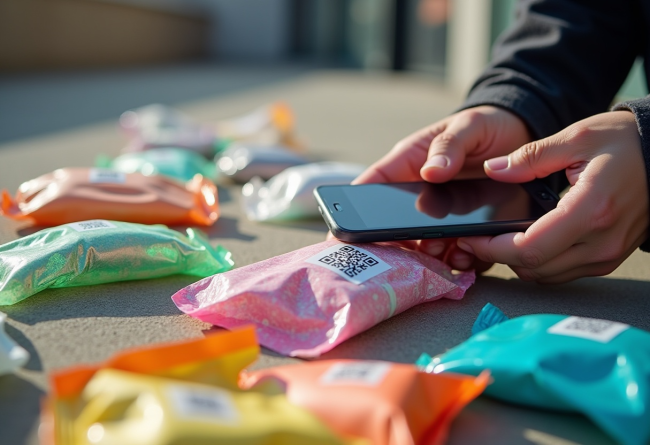
The Growing Challenge of Sustainable Packaging Data Compliance - data collection depiction

The Growing Challenge of Sustainable Packaging Data Compliance

Sustainability in packaging has become a central issue for businesses worldwide, yet many companies are struggling to meet the data requirements necessary for compliance. A global survey conducted by packaging consultancy Aura highlights a significant gap in how businesses track their sustainable packaging data, with many still relying on outdated manual methods. As regulatory frameworks…

The Cost of Cleaning PFAS in Europe: A €2 Trillion Challenge

A recent investigation by the Forever Lobbying Project has revealed that addressing per- and polyfluoroalkyl substances (PFAS) contamination across Europe could cost over € 2 trillion over the next two decades. This equates to an annual expense of approximately € 100 billion, highlighting the immense financial strain required to tackle the widespread pollution caused by…

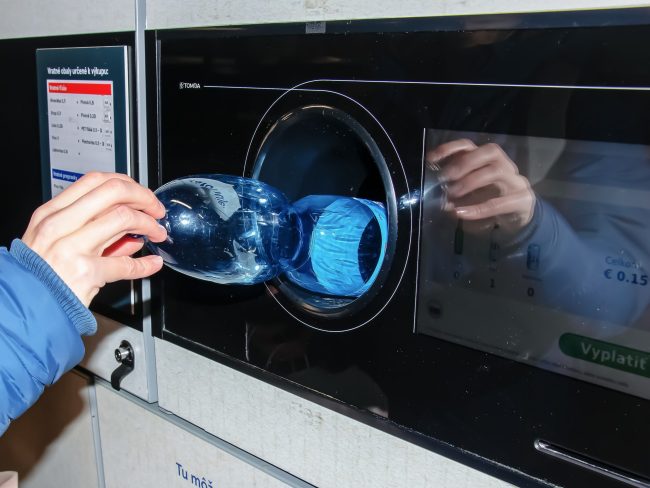
Λεπτομέρειες για το Σύστημα Επιστροφής Εγγύησης στις Συσκευασίες Ποτών (DRS)

Με την εφαρμογή του συστήματος επιστροφής εγγύησης (ΣΕΕ) για συσκευασίες ποτών μιας χρήσης από πλαστικό και μέταλλο να πλησιάζει, αναλύουμε όλες τις λεπτομέρειες σχετικά με τις υποχρεώσεις καταναλωτών και προμηθευτών, καθώς και το εγγυοδοτικό αντίτιμο, αλλά και τα σημεία και τρόπους επιστροφής των συσκευασιών.   Τι είναι το Σύστημα Επιστροφής Εγγύησης; Το σύστημα επιστροφής εγγύησης…

Summary of European Regulations Relevant to Packaging during 2024

Summary of European Regulations Relevant to Packaging In 2024

In 2024, European regulations made significant strides toward enhancing sustainability, promoting consumer protection, and addressing the environmental impacts of materials such as plastics and chemicals. These regulations, spanning various sectors from packaging waste to food contact materials, aim to establish a safer, greener future for the EU and its neighboring countries. This article highlights important…

Belgium Packaging Waste Regulations 2024, EPR framework in Belgium, Sustainable packaging laws

Belgium Strengthens Packaging Waste Regulations for Businesses

Belgium has introduced stricter national regulations regarding packaging waste management to promote sustainability and enhance recycling efforts. These updated laws require businesses to adhere more strictly to the Extended Producer Responsibility (EPR) framework, ensuring greater accountability in the lifecycle management of packaging materials.   The Evolution of Extended Producer Responsibility (EPR) The EPR system, originally…

hands holding packaging -Recyclability Assessment Framework in the UK, Defra recycling guidelines

Defra Introduces New Recyclability Assessment Framework to Enhance Packaging Sustainability

The Department for Environment, Food & Rural Affairs (Defra) of the UK has recently introduced a framework to evaluate and categorize the recyclability of various packaging materials, under the Packaging Extended Producer Responsibility (pEPR) initiative. This system aims to help businesses understand how their packaging impacts recycling processes and associated costs.   Recyclability Assessment Framework…

Confusing Guidance Poses Plastic Recycling Challenges for UK

A recent survey by Recoup, a UK plastics charity, reveals that local councils are struggling to prepare for upcoming waste management reforms, with many still unaware of the looming requirements for kerbside plastic collections. Additionally, inconsistent recycling instructions are causing public confusion, potentially hindering progress toward sustainability goals.   Fragmented Communication on Plastic Recycling Recoup’s…

Switzerland Tightens Regulations on Food Contact Plastics and Packaging Inks

Switzerland Tightens Regulations on Food Contact Plastics

Switzerland has revised its regulations on food contact materials, specifically targeting plastics and packaging inks. These changes, published in Official Collection 2024 755, have come into force from January 1, 2025. The amendments focus on enhancing consumer safety by tightening restrictions on certain chemical substances used in the production of these materials.   Key Amendments…

Japan Food Contact Materials Regulation

Japan’s Upcoming Food Contact Material Regulation

Japan has been making significant changes to its regulatory framework for food contact materials (FCMs), set to take effect on June 1, 2025. The Ministry of Health, Labour and Welfare has finalized the structure of the Positive List (PL) system for synthetic resin materials, marking a major shift in how chemicals used in food-related utensils,…

bpa bps bisphenol a

EU Ban on Bisphenol A in Food Contact Materials

In December 19, 2024, the European Commission (EC) introduced Regulation (EU) 2024/3190, enforcing a strict ban on bisphenol A (BPA) and other hazardous bisphenols in food-contact materials. This measure aims to enhance consumer safety by eliminating harmful chemicals from products like plastics, coatings, adhesives, and printing inks.   The Ban This regulation enforces a broad…

The Environmental Impact of Plastic Alternatives

The Environmental Impact of Plastic Alternatives

A comprehensive study published in Environmental Science & Technology evaluates the greenhouse gas (GHG) emissions of plastic products versus their alternatives across 16 applications. These include key sectors such as packaging, construction, automotive, textiles, and consumer goods, which together account for 90 % of global plastic use. The findings reveal a counterintuitive reality: replacing plastics…